Handcrafted to order in Koh Lanta, then shipped worldwide by tracked EMS. Once your piece ships, delivery is usually 1 to 2 weeks, depending on your local customs. Any import duty or tax is set by your country and paid on delivery; we always declare your order honestly, with no surprises.
Track

The Stitch Library

Nine ways to hold a thread.

Everything this atelier makes is built from a short vocabulary, learned over years and worked by one pair of hands. Here it is, close enough to count the loops: what each stitch does, why it is chosen, how it wears, and which pieces carry it.

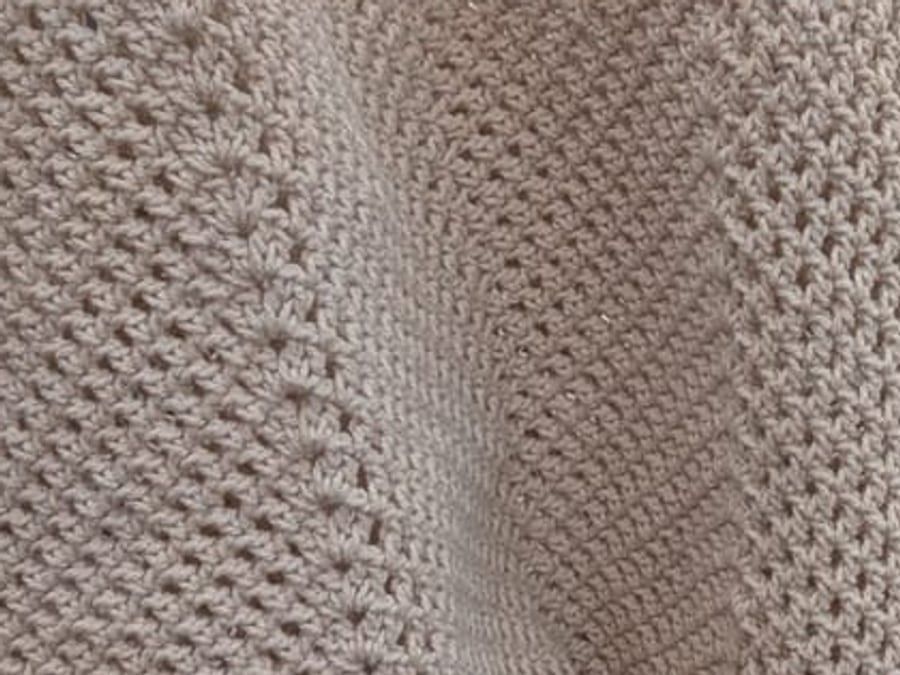
The honeycomb, photographed close in the atelier

A stitch

The honeycomb

Rounds of open cells offset like a wasp’s comb, worked so densely that the surface catches light the way water does. It is the slowest fabric in the house, and the reason The Monsoon looks lit from inside. A honeycomb body holds its shape empty and full.

Why it is chosen
Chosen when a piece needs to stand on its own — the offset cells lock into one another, so the wall of the bag behaves almost like a woven basket. It is worked closed rather than open, which is what lets it keep a mouth that neither gapes nor collapses.
How it wears and ages
The density is its longevity: nothing snags because there is nowhere for a snag to begin, and the cells hold a scoop of the light for years. It softens rather than sags, and the surface only deepens where a hand returns to the same place.
Traced the way the hook travels.

Carried by The MonsoonDesign your own
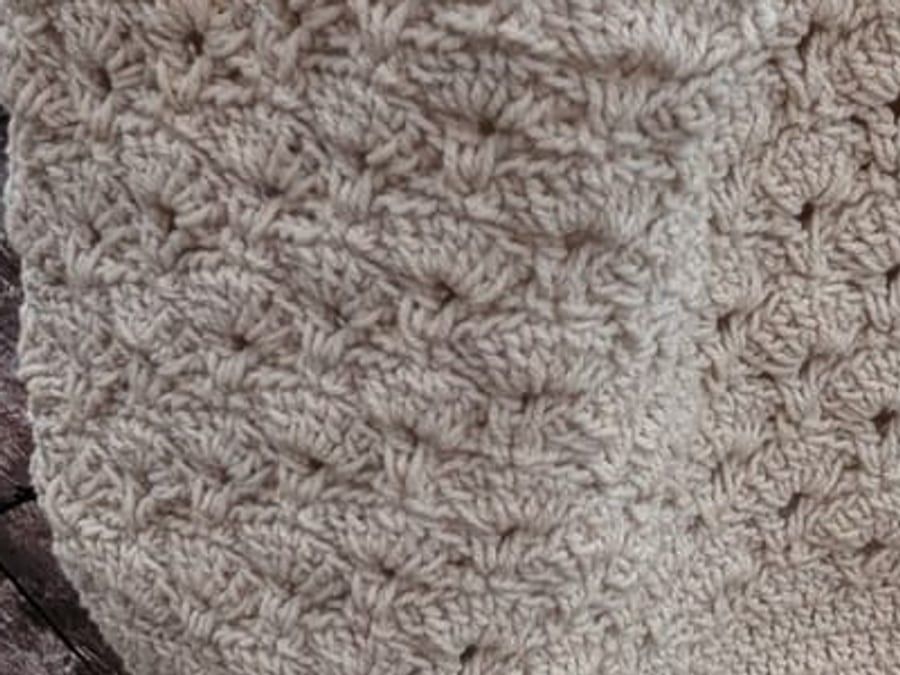
The shell fan, photographed close in the atelier

A stitch

The shell fan

Five stitches fanned from a single anchor, row upon row, like the shells the tide lines up on the beach below the house. The fans give the fabric a scalloped, sculptural weight; the rim of a shell-stitch piece finishes itself in waves.

Why it is chosen
Chosen to give a small piece presence without adding a single ornament — the geometry itself is the decoration. Each fan pulls the row above into an arc, so the fabric curves willingly around a shoulder instead of hanging flat.
How it wears and ages
The scallops keep their rhythm because every fan braces the two beside it; there is no loose edge to fray. Worn against a coat, the raised ridges take a gentle polish over the seasons, and the hollows between them hold their shadow.
Traced the way the hook travels.

Carried by The CowrieDesign your own

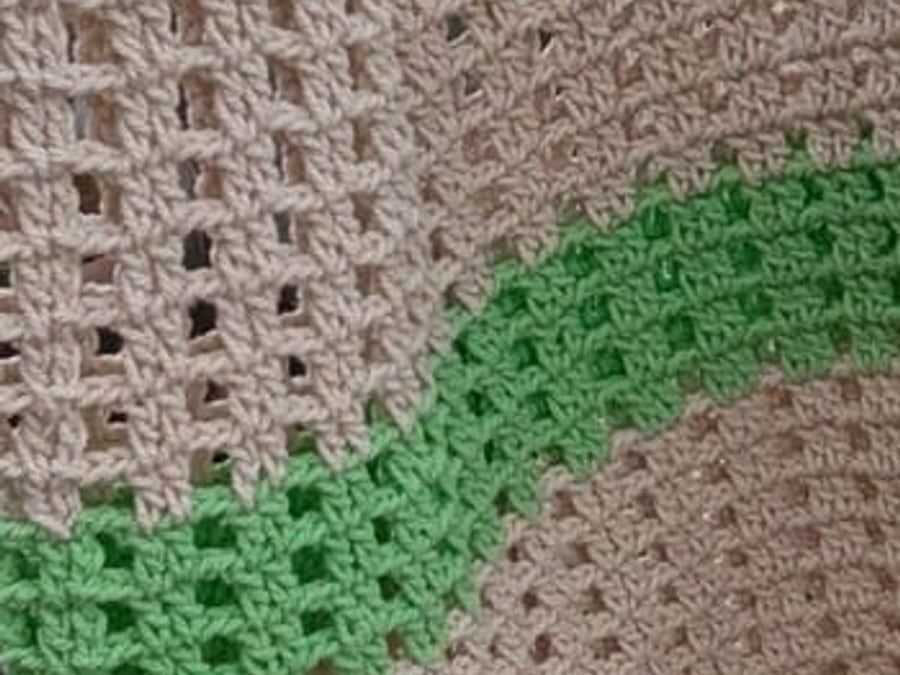
The open net, photographed close in the atelier

A stitch

The open net

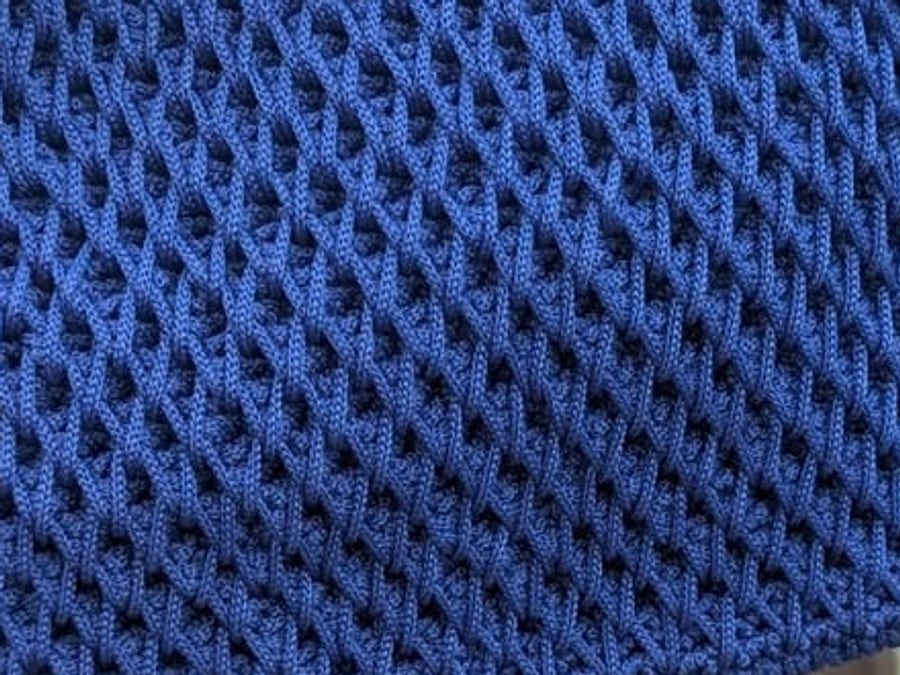
The oldest bag fabric on the Andaman coast: an open lattice that weighs almost nothing, stretches to carry more than it should, and folds to a handful when the day is done. Worked loose on purpose, then disciplined by a dense band that carries the load.

Why it is chosen
Chosen for the piece you throw over a wrist without thinking — market, beach, the long walk back. The open mesh breathes, dries in an hour, and gives, so it carries a shape it was never worked to, then remembers its own again.
How it wears and ages
The give is also its resilience: a mesh that yields does not tear the way a tight one does. What load it takes is passed down into the dense band at the mouth, which is why a net piece can be carried heavy for years and still fold flat into a pocket.
Traced the way the hook travels.

Carried by The Long Beach, five colourwaysDesign your own

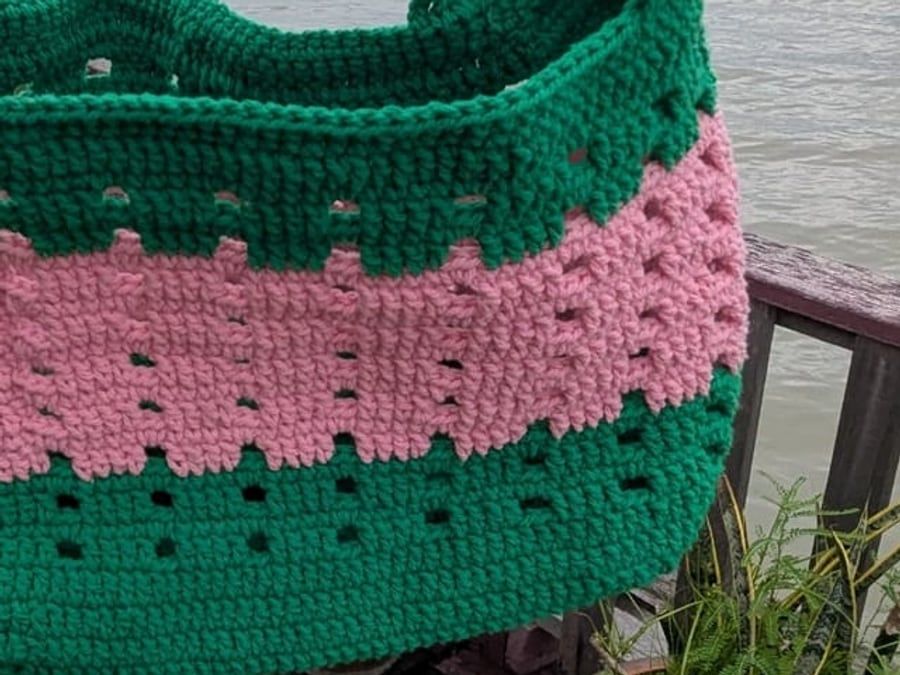
The band, photographed close in the atelier

The colour work

The band

Colour carried in disciplined rows: a body worked in one shade, then banded in another, the joins turned to the inside so the colour seems to have been poured on. It is how the Saladan gets its watermelon, the Lanta its olive lines, and every Long Beach its one stripe of colour.

Why it is chosen
Chosen when colour should arrive as a decision, not an accident — a single clean line reads more surely than a scatter. Carrying the joins to the inside keeps the outside honest: one face, no loose ends, the change of shade as flat as paint.
How it wears and ages
Because the tails are buried, there is nothing on the surface to work loose over a decade of use. The two shades fade at their own true rates in the sun, so an old band tells you plainly how long a piece has been lived with — the record is the point, not a flaw.
Traced the way the hook travels.

Carried by The SaladanThe LantaThe Long Beach Its watermelon & olive, in the Colour Room

The even hand, photographed close in the atelier

The foundation

The even hand

The plain stitch, one loop after another, thousands of times, with nowhere for a wandering tension to hide. Every maker is judged by it. A body worked with an even hand reads as calm from across a room, and it is the quiet ground most of our pieces are built on.

Why it is chosen
Chosen precisely because it hides nothing — a plain ground is where a piece earns trust before a single flourish is added. Its evenness is what lets a stripe sit straight, a daisy sit flat, a handle meet the body without a pucker; everything else in the house leans on it.
How it wears and ages
A fabric under even tension wears evenly, which is the whole secret to why these pieces age well and not in patches. There is no slack to bag out and no strain to split; the surface simply mellows, a shade at a time, holding its plane the way it was set down.
Traced the way the hook travels.

Carried by The Old TownThe KarstThe SandbarThe Lanta

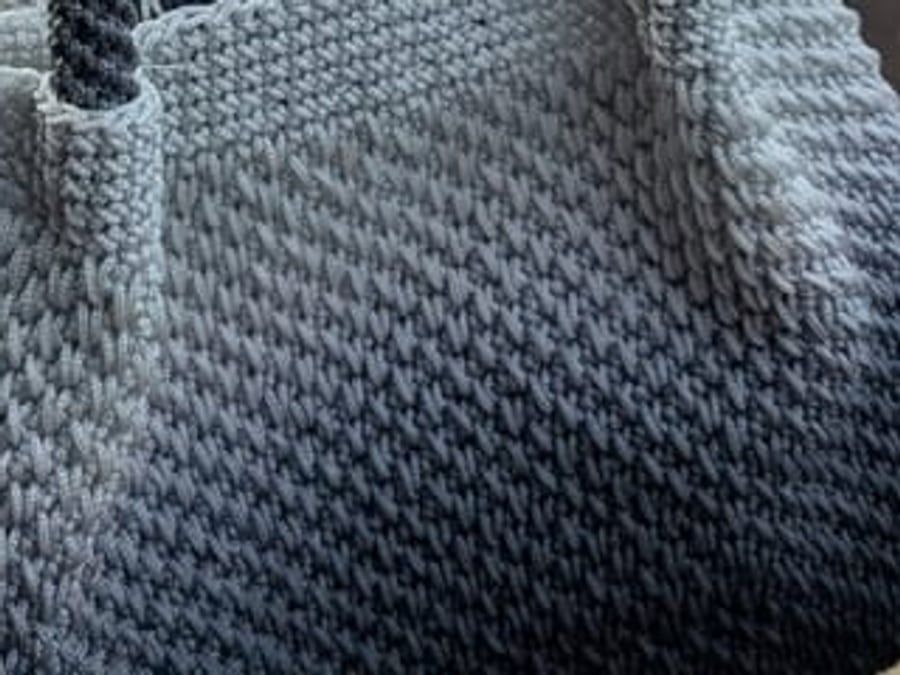
The ombré grade, photographed close in the atelier

A discipline

The ombré grade

Not a stitch but a patience: the cord changed tone by tone, mid-row, so the colour falls the way light falls at low tide. Graded entirely by eye, which is why no two ombré pieces could ever fade alike, and why we have never repeated one.

Why it is chosen
Chosen when a piece should feel like a single held breath of colour rather than a set of stripes. Graded by eye and not by chart, it lets the maker read the light in the room that day, so the fall of tone belongs to the hour it was worked in.
How it wears and ages
Sun ages a graded piece the way it made it — gradually, and toward its own centre — so an ombré that fades only deepens the drift it was born with. Because no two were ever alike to begin with, no two grow old alike, and the piece stays the only one of itself.
Traced the way the hook travels.

Carried by The Low TideDesign your own The tide tones it grades through, in the Colour Room

The rolled handle, photographed close in the atelier

The finishing

The rolled handle

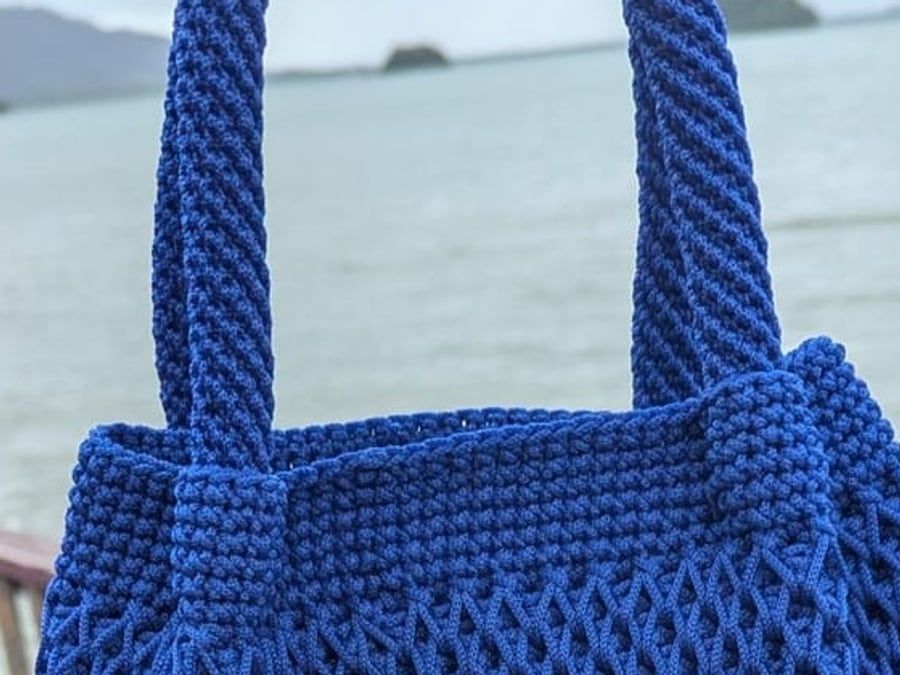
A handle is the one part of a bag that is held more than seen, so ours are worked in the round over a core until they roll firm and smooth in the palm. They keep their arc whether the bag is empty or full, and they soften to their owner’s grip over the years.

Why it is chosen
Chosen because the handle is where a bag is judged by touch, not sight — a flat strap folds and bites, a rolled one fills the hand. Worked in the round over a core, it gains a spine of its own, so the weight of a full bag never crushes it into a crease.
How it wears and ages
This is the part that keeps its shape longest and changes the most gently: the core holds the arc while the surface learns the hand that carries it. Over years the roll takes a faint burnish exactly where the fingers close, until it fits one grip and no other.
Traced the way the hook travels.

Carried by The MonsoonThe Karst

The daisy, photographed close in the atelier

The ornament

The daisy

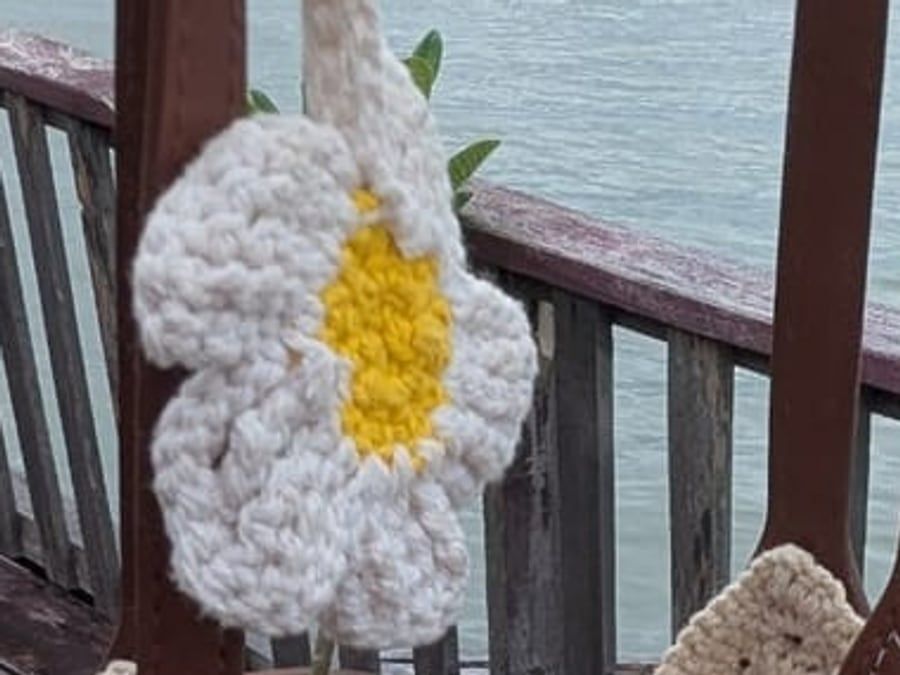
A small white flower with a marigold heart, made while the bag it belongs to is still on the hook, so the two are never strangers. It is the quiet signature of the house’s pale pieces: one bloom, never a meadow.

Why it is chosen
Chosen as restraint made visible — one flower says the maker stopped, looked, and decided a single note was enough. Made in the same run as the body it sits on, it is anchored into the fabric rather than sewn on after, so it belongs to the piece and not to it.
How it wears and ages
Because it is worked in, not attached, there is no seam to give way and nothing to lift at a corner. The white settles toward cream at the pace the body does, and the marigold heart holds its warmth, so an old daisy still reads as the one bloom it always was.
Traced the way the hook travels.

Carried by The Old TownThe Karst Its marigold heart, in the Colour Room

The frangipani, photographed close in the atelier

The signature

The frangipani

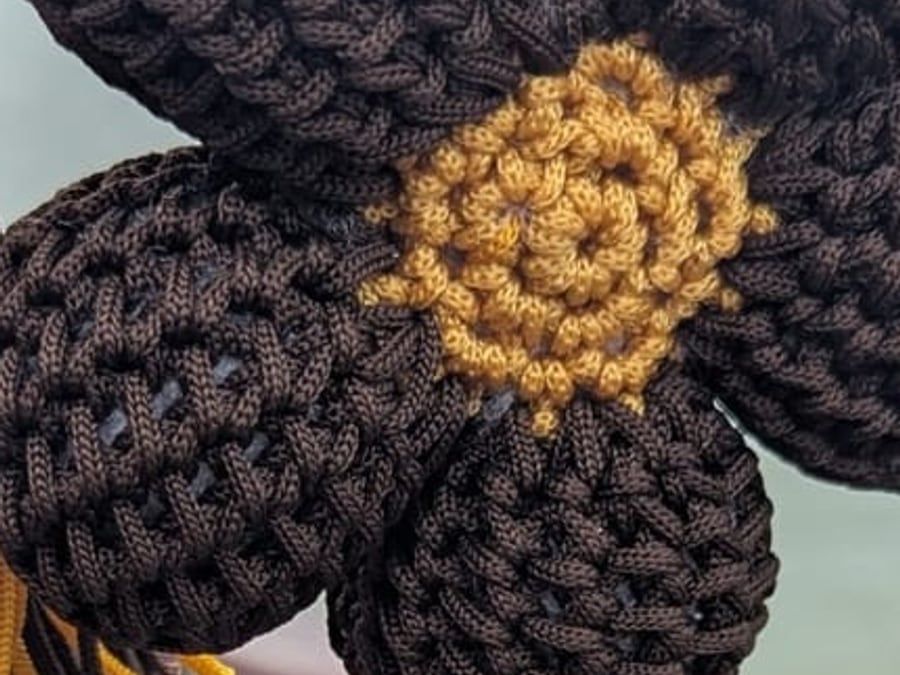
Petals worked in the round, a marigold heart, a hand-tied tassel: the smallest making in the house and the one place colour is always welcome. It rides on any handle as a charm, or is stitched to a piece as its single ornament.

Why it is chosen
Chosen as the house’s one indulgence — the smallest thing it makes and the only place it lets colour run freely. Worked in the round so the petals cup rather than lie flat, it holds a little shadow at its heart and reads as a bloom, not a badge.
How it wears and ages
A charm lives a harder life than the bag it rides, so the tassel is hand-tied to be re-tied and the petals are worked dense enough to keep their cup. It fades where it is held most, which is the honest map of a favourite — and when it finally tires, a new one is a letter away.
Traced the way the hook travels.

Carried by The Frangipani charmMake one yours Its marigold heart, in the Colour Room

The colours these hands work in live in the Colour Room. Most of the hands above are waiting in the customizer, in your colours. And when a piece deserves a vocabulary of its own, there is the private commission.

The Concierge

The pieces, the stitches, the colours, the journal. to move, Enter to go.